
Why Is My Pool Cleaner Not Moving? Common Causes and Fixes
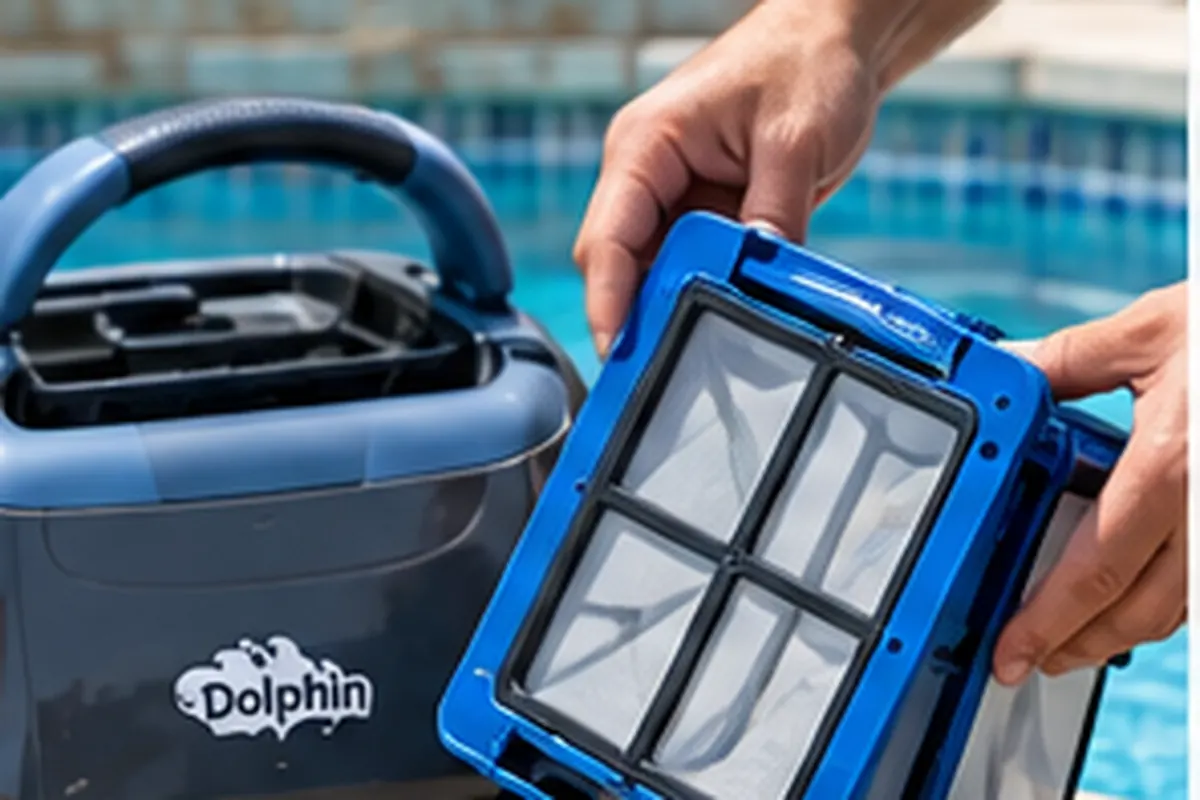
An automatic pool cleaner that stops moving does not necessarily need to be replaced. The problem may be as simple as inadequate water flow, a dirty filter, a blocked hose, trapped debris, or an incorrect equipment setting.
The correct troubleshooting steps depend on whether you have a robotic, suction-side, or pressure-side cleaner.
Quick Answer: Why Is My Pool Cleaner Not Moving?
A pool cleaner that stops moving may have insufficient water flow, low pressure, a blockage, a power problem or a worn drive component. The first troubleshooting step is to identify whether you have a suction-side, pressure-side or robotic cleaner because each type operates differently.
For suction-side cleaners, check pump operation, suction flow, baskets, filters and hoses. For pressure-side cleaners, check water pressure, the feed hose and the booster pump if the model requires one. For robotic cleaners, start with the approved power supply or battery, filter basket, brushes, tracks and drive components.
Pool Cleaner Troubleshooting at a Glance
| Cleaner Type | How It Moves | First Things to Check |
|---|---|---|
| Suction-side | Uses suction generated by the pool circulation pump | Pump, filter, suction flow, hose and internal mechanism |
| Pressure-side | Uses pressurized water from the circulation system or a booster pump | Water pressure, booster pump if required, wall fitting and feed hose |
| Robotic | Uses onboard electric motors | Power supply or battery, filter basket, tracks, brushes and drive system |
First Identify Your Cleaner Type
Before troubleshooting, determine whether your cleaner is robotic, suction-side or pressure-side.
Each type receives its operating power differently, so the causes of a movement problem are not the same.
For a broader explanation of the three cleaner types, see our Complete Guide to Pool Cleaners.
If a Suction-Side Pool Cleaner Is Not Moving
A suction-side cleaner depends on water flow generated by the pool's circulation pump.
If the cleaner stops moving, moves unusually slowly or repeatedly stalls, begin by checking the circulation system before assuming the cleaner itself has failed.
For more about how these cleaners operate, see How Do Suction-Side Pool Cleaners Work?.
1. Check the Pool Pump
Make sure the pump is operating and properly primed.
Air entering the suction plumbing or a pump that cannot maintain prime can reduce the flow available to the cleaner.
Check the pump's displayed status and inspect for obvious signs of lost prime according to the manufacturer's instructions.
If the pool uses a variable-speed pump, verify that its current operating speed provides sufficient flow for the cleaner.
Our Complete Guide to Pool Pumps covers pump flow, variable-speed operation, sizing and other circulation considerations.
2. Check the Pool Filter
A dirty filter increases system resistance and can reduce water flow.
Compare the filter's current pressure with its normal clean-filter reading, where available.
Clean or backwash the filter when required by its manufacturer.
See our Complete Guide to Pool Filters for more about filter pressure, cleaning, sizing and flow restriction.
3. Check the Pump and Skimmer Baskets
A basket packed with leaves or debris can restrict circulation.
Turn the equipment off safely and clean the appropriate baskets according to the manufacturer's procedures.
Never open a pump strainer or filter while the system is running or pressurized. Follow the equipment's shutdown and pressure-relief instructions.
4. Check the Cleaner Flow
Many suction-side cleaners have a recommended flow or wheel-RPM range.
Follow the cleaner manufacturer's procedure for checking and adjusting flow.
Too little suction may prevent movement. Excessive suction can also cause certain cleaners to become stuck or operate incorrectly.
Do not increase pump speed indefinitely in an attempt to make the cleaner move. Verify the cleaner's specified operating range.
5. Inspect the Cleaner Hose
Look for:
- Blockages.
- Leaks.
- Loose connections.
- Collapsed hose sections.
- Damaged hose cuffs.
A hose leak can introduce air into the suction system and reduce the suction available to the cleaner.
Inspect accessible hose sections according to the cleaner manufacturer's instructions.
6. Inspect the Cleaner Mechanism
Debris can become lodged inside the cleaner and prevent its internal mechanism from operating.
Depending on the model, inspect accessible components such as:
- Intake openings.
- Diaphragms or internal turbines.
- Wheels.
- Tracks.
- Drive components.
Only disassemble components covered by the owner's maintenance instructions.
Example: A Suction Cleaner That Stops After a Pump Schedule Change
Suppose a suction-side cleaner previously operated normally, but it stopped moving after the variable-speed pump schedule was changed.
The pump still runs, and the cleaner hose appears clear.
One possible explanation is that the new pump setting does not provide enough suction for the cleaner.
Use the cleaner manufacturer's flow-check procedure to determine whether the pump setting and suction adjustment are appropriate.
If troubleshooting shows that replacement makes more sense than repair, verify that the replacement cleaner is compatible with your pool's circulation system.
Compare Suction-Side Pool Cleaners on Amazon
If a Pressure-Side Pool Cleaner Is Not Moving
A pressure-side cleaner uses pressurized water to power its movement and, depending on the design, collect debris.
Some models require a separate booster pump, while others operate using pressure supplied by the pool's circulation system.
See How Do Pressure-Side Pool Cleaners Work? for more about feed pressure, booster pumps, debris collection and cleaner operation.
1. Check the Main Circulation Pump
Verify that the primary circulation pump is operating correctly.
Many pressure-side installations require the main circulation system to operate while the cleaner runs.
Check the specific cleaner and booster-pump instructions for the required operating arrangement.
2. Check the Booster Pump if Required
If your cleaner requires a booster pump, verify that it is operating according to the manufacturer's instructions.
A booster pump that does not start may prevent the cleaner from moving.
However, never assume that every pressure-side cleaner requires a booster pump.
If the booster pump fails to operate, check the applicable control settings and displayed equipment status. Leave electrical diagnosis and repairs to qualified personnel.
3. Check the Wall Fitting
Some pressure-side cleaner installations use a wall fitting with an accessible screen or other flow-control components.
Debris in these components can restrict water delivery to the cleaner.
Follow the manufacturer's instructions for safely inspecting and cleaning the fitting.
4. Inspect the Feed Hose
Check the feed hose for visible leaks, damage and loose connections.
Inspect accessible swivels and hose fittings as directed by the manufacturer.
Water escaping from damaged connections can reduce the pressure available to drive the cleaner.
5. Check the Wheels and Drive System
Debris may become trapped in wheels, gears or other accessible drive components.
Worn tires, wheels or internal components can also prevent normal movement.
Inspect the cleaner according to its owner's manual and replace worn serviceable parts when appropriate.
Example: A Pressure Cleaner That Has Water Flow but Barely Moves
Suppose water is visibly flowing through the cleaner, but the wheels rotate slowly and the cleaner struggles to move.
Possible causes include insufficient feed pressure, a leaking hose connection, an obstruction or a worn drive component.
Use the model-specific pressure or wheel-speed testing procedure to determine whether water delivery is within the required range.
If the cleaner needs replacement, verify that your existing plumbing and booster-pump configuration are compatible before selecting another pressure-side model.
Compare Pressure-Side Pool Cleaners on Amazon
If a Robotic Pool Cleaner Is Not Moving
A robotic cleaner uses onboard electric motors rather than pool-pump suction or pressure for propulsion.
If a robotic cleaner stops moving, begin with its power source, filtration components and accessible drive system.
See How Do Robotic Pool Cleaners Work? for more about onboard motors, filtration, movement and cleaning cycles.
1. Check the Power Source
For a corded robotic cleaner, verify that the approved power supply is connected and operating according to the manufacturer's instructions.
For a cordless cleaner, check its charging status and battery-related indicators.
Review any displayed error messages or diagnostic indicators before attempting further troubleshooting.
Never use an extension cord, substitute power supply or charging arrangement unless expressly permitted by the manufacturer.
2. Check the Cleaner for Debris
Inspect accessible components such as:
- Intake openings.
- Brushes.
- Wheels.
- Tracks.
- Filter baskets or cartridges.
Remove trapped debris according to the owner's manual.
Disconnect the cleaner from its power source before performing maintenance, following the manufacturer's instructions.
3. Clean the Filter Basket
An overloaded or severely restricted filter can affect cleaning performance and may contribute to operating problems.
Remove and clean the filter basket or cartridges according to the manufacturer's maintenance procedure.
A dirty filter does not necessarily explain every movement failure, so continue troubleshooting if cleaning does not resolve the problem.
4. Inspect Wheels, Tracks and Brushes
Check for objects that prevent free movement.
Depending on the cleaner's design, trapped leaves, small stones, hair or other debris may interfere with accessible moving components.
Inspect visible drive components for damage or wear.
Do not open sealed motor housings or attempt repairs beyond the manufacturer's owner-maintenance instructions.
5. Check the Cleaning Cycle
Some robotic cleaners pause, change direction or stop automatically as part of their programmed cleaning cycles.
Confirm that the selected cycle has started correctly and that the cleaner has not simply completed its programmed operation.
If the cleaner displays an error code, consult the manufacturer's model-specific troubleshooting instructions.
Example: A Robotic Cleaner That Starts but Stops Shortly Afterward
Suppose a robotic cleaner begins its cleaning cycle but stops moving after a short period.
Possible causes include a drive obstruction, a power or battery issue, an overloaded filter or an internal fault.
Start by checking the cleaner's displayed status and performing the owner's recommended maintenance checks.
If the problem persists, follow the manufacturer's diagnostic procedure rather than repeatedly restarting the cleaner.
If repair is no longer practical, compare replacement robotic cleaners by pool size, surface compatibility, filtration, cleaning coverage and available replacement parts.
Compare Robotic Pool Cleaners on Amazon
What if the Cleaner Moves but Is Very Slow?
Slow movement can provide a useful diagnostic clue.
| Cleaner Type | Possible Causes | First Check |
|---|---|---|
| Suction-side | Insufficient suction, restricted circulation, hose leak or internal obstruction | Manufacturer's flow or wheel-RPM test |
| Pressure-side | Insufficient pressure, feed-hose leak or worn drive components | Manufacturer's pressure or wheel-speed test |
| Robotic | Drive obstruction, worn tracks, power issue or internal fault | Accessible drive components and diagnostic indicators |
On hydraulic cleaners, slow movement often warrants checking water flow or pressure before replacing mechanical parts.
On robotic cleaners, use the manufacturer's maintenance and diagnostic procedures to distinguish a blockage from a power or drive-system fault.
What if the Cleaner Keeps Getting Stuck?
A cleaner that moves normally but repeatedly gets stuck may have a navigation, adjustment or pool-compatibility problem rather than a complete drive failure.
Potential trouble spots include:
- Pool steps.
- Baja shelves.
- Drain covers.
- Ladders.
- Sharp floor-to-wall transitions.
- Hose length or adjustment.
- Cleaner buoyancy or weight adjustments, where applicable.
Example: A Cleaner That Gets Stuck on a Baja Shelf
Consider a pool with a shallow Baja shelf and a deeper swimming area.
The cleaner moves normally across the main pool floor but repeatedly becomes trapped near the shelf transition.
This pattern suggests that pool geometry or cleaner navigation may be contributing to the problem.
Check the manufacturer's guidance for minimum operating depth, step and shelf compatibility, and any available navigation or hose adjustments.
Not every cleaner is designed to operate on shallow shelves or navigate every pool shape.
What if the Cleaner Climbs the Wall and Gets Stuck?
A cleaner that repeatedly climbs too high or becomes stuck at the waterline may need a model-specific adjustment.
Depending on the cleaner type, potential factors include:
- Excessive or incorrect suction.
- Incorrect pressure or flow.
- Hose adjustment.
- Buoyancy or weight settings.
- Navigation behavior.
- Worn drive components.
Follow the cleaner manufacturer's adjustment procedure. Do not assume that reducing or increasing pump speed is the correct solution for every model.
Repair or Replace: What Should You Check?
Before replacing a cleaner, determine whether the problem involves a serviceable component or a more extensive failure.
| Finding | Possible Next Step |
|---|---|
| Blocked hose or intake | Clear the obstruction using the approved maintenance procedure |
| Dirty filter or basket | Perform the recommended cleaning procedure |
| Worn serviceable wheel or track | Check replacement-part availability and cost |
| Damaged hose or fitting | Check for a compatible replacement component |
| Electrical or sealed-motor failure | Obtain a qualified diagnosis and repair estimate |
| Repeated navigation problems | Check adjustments and compatibility with the pool's shape |
Compare the cost of approved replacement parts and professional repairs with the cost of a compatible replacement cleaner.
Also consider the cleaner's age, warranty status and availability of future replacement parts.
A Practical Pool Cleaner Troubleshooting Order
- Identify whether the cleaner is suction-side, pressure-side or robotic.
- Check the appropriate power source.
- Check water flow or pressure when applicable.
- Clean baskets and filtration components.
- Inspect hoses and connections where applicable.
- Inspect accessible cleaner components for trapped debris.
- Check wheels, tracks, brushes and drive components.
- Review any displayed diagnostic messages.
- Consult the model-specific troubleshooting guide.
- Seek qualified service if the problem remains unresolved.
When to Call for Service
Professional service may be appropriate when troubleshooting identifies:
- Electrical or power-supply problems.
- Damaged wiring.
- Booster-pump failure.
- Sealed-motor problems.
- Internal drive-system failures.
- Repairs beyond the manufacturer's owner-maintenance procedures.
Follow all manufacturer safety instructions. Disconnect applicable power before performing permitted maintenance, and properly shut down and depressurize pool equipment before opening pump or filter components.
Frequently Asked Questions
Why is my suction-side pool cleaner not moving?
Possible causes include insufficient suction, a dirty filter, a clogged basket, a leaking hose, incorrect pump settings or debris trapped inside the cleaner. Start by checking the circulation system and following the cleaner's recommended flow test.
Why is my pressure-side pool cleaner not moving?
Check the circulation pump, booster pump if required, wall fitting, feed hose and accessible drive components. Use the manufacturer's testing procedure to verify that the cleaner receives the required water pressure or flow.
Why does my robotic pool cleaner have power but not move?
Possible causes include a drive obstruction, damaged tracks, an overloaded filter, a power or battery issue, or an internal fault. Check the cleaner's diagnostic indicators and perform the maintenance steps described in its owner's manual.
Can a dirty pool filter stop a suction cleaner?
Yes. A dirty filter can increase system resistance and reduce circulation flow, potentially leaving a suction cleaner with insufficient flow to operate correctly.
Can low variable-speed pump RPM stop my pool cleaner?
It can affect suction-side cleaners and certain pressure-side installations. The correct pump setting depends on the cleaner's required flow or pressure and the pool's plumbing configuration.
Does every pressure-side cleaner need a booster pump?
No. Some models require a booster pump, while others operate using pressure from the main circulation system. Check the requirements of your exact model.
Why does my pool cleaner move for a few minutes and then stop?
Possible explanations include changing water flow, a developing blockage, a power issue, a drive-system fault or normal completion of a programmed robotic cleaning cycle. The appropriate checks depend on the cleaner type.
Why does my cleaner keep getting stuck on the pool steps?
The cleaner may have difficulty navigating the pool's geometry or may need a supported hose, buoyancy or operating adjustment. Verify that the cleaner is suitable for your pool shape and follow its manufacturer's adjustment instructions.
Should I increase my pool pump speed if the cleaner stops moving?
Not automatically. First check the cleaner's required flow or pressure and follow its testing procedure. Excessive suction or pressure can also cause operating problems.
When should I replace my pool cleaner?
Consider replacement after diagnosing the problem and comparing the cost and availability of approved repairs with a compatible new cleaner. A blocked hose, dirty filter or worn serviceable part may not require replacing the entire unit.
Bottom Line
A pool cleaner that stops moving may have a flow, pressure, blockage, power or maintenance problem rather than a complete equipment failure.
Identify the cleaner type first, then troubleshoot the system that actually powers it. Checking the correct operating requirements before replacing parts can help isolate the cause and avoid unnecessary expense.
How We Research
Pool Equipment Lab evaluates pool equipment using manufacturer specifications, documentation, compatibility requirements, operating costs, warranty information, and owner feedback when relevant. We do not claim hands-on testing unless we actually performed it.