
The Complete Guide to Pool Heaters
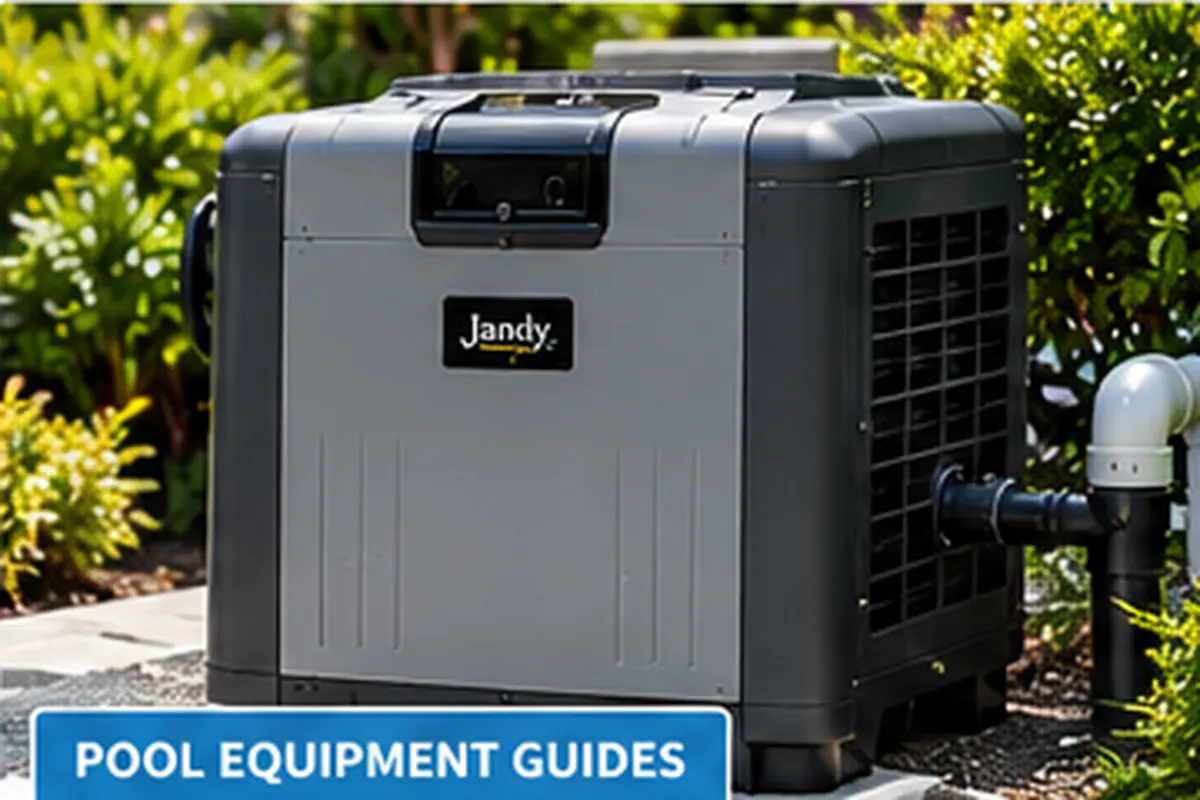
Pool heating can extend the swimming season, make cool water more comfortable, and provide rapid spa heating. But heater technologies differ significantly in heating speed, energy use, installation requirements, and climate performance.
The two primary residential choices are gas pool heaters and electric pool heat pumps.
Quick Answer: Gas Pool Heater or Heat Pump?
Gas pool heaters and electric heat pumps both warm circulating pool water, but they are designed around different heating characteristics. Gas heaters offer high heating output and can raise water temperature relatively quickly. Heat pumps transfer heat from outdoor air into pool water and can provide efficient temperature maintenance when weather conditions are suitable.
The choice depends on your climate, pool size, desired heating speed, swimming schedule, available energy sources and local utility rates. A pool cover is also an important part of the decision because reducing heat loss can lower the amount of energy required by either heating system.
Gas Pool Heaters vs. Heat Pumps at a Glance
| Feature | Gas Pool Heater | Electric Heat Pump |
|---|---|---|
| Energy source | Natural gas or propane | Electricity and heat from outdoor air |
| Heating method | Combustion and heat exchange | Refrigeration cycle and heat exchange |
| Heating speed | Often faster with high-output models | Generally slower than high-output gas heaters |
| Weather sensitivity | Less dependent on warm outdoor air | Performance varies with temperature and humidity |
| Energy-cost factors | Fuel input, efficiency, runtime and fuel price | Electrical input, efficiency, runtime and electricity price |
| Installation considerations | Fuel supply, combustion air, venting and clearances | Electrical supply, airflow and clearances |
| Common application | Rapid heating and intermittent spa use | Temperature maintenance in suitable climates |
How Pool Heating Works
Pool water circulates through heating equipment, where energy is transferred into the water before it returns to the pool.
The amount of heat required depends on pool size, desired water temperature, outdoor conditions, evaporation, wind and other sources of heat loss.
A heater's rated capacity is only one part of its actual performance. Heat-up time also depends on how much energy reaches the water and how quickly the pool loses heat while heating.
Gas Pool Heaters
Gas heaters burn natural gas or propane and transfer heat through a heat exchanger. They are available with relatively high heating capacities and are particularly useful when fast heat-up is important.
Advantages of Gas Pool Heaters
- Relatively fast heating with high-output models.
- High BTU input ratings are available.
- Useful for spas that need rapid temperature increases.
- Less dependent on warm ambient air than heat pumps.
Gas Heater Considerations
- A suitable natural-gas or propane supply is required.
- Operating cost depends heavily on local fuel prices and heater efficiency.
- Proper combustion, ventilation, clearances and professional installation are essential.
- Fuel consumption can be substantial during extended heating periods.
If gas heating fits your pool or spa needs, compare BTU capacity, fuel type, efficiency and installation requirements before choosing a heater.
Compare Gas Pool Heaters on Amazon
Pool Heat Pumps
Heat pumps use electricity to transfer heat from outdoor air into pool water. They operate through a refrigeration cycle rather than producing all heating energy directly through electrical resistance.
Because a heat pump transfers existing heat, the heat delivered to the water can exceed the electrical energy it consumes under suitable conditions.
Advantages of Pool Heat Pumps
- Efficient temperature maintenance under suitable conditions.
- No natural-gas or propane supply required.
- Well suited to many mild and warm climates.
- Can provide lower operating costs than gas heating in some locations and usage scenarios.
Heat Pump Considerations
- Generally slower heating than high-output gas heaters.
- Heating capacity and efficiency depend on ambient temperature and humidity.
- Adequate electrical service and unrestricted airflow are required.
- Some models have minimum outdoor operating-temperature limits.
If a heat pump matches your climate and heating goals, compare heating capacity, efficiency, electrical requirements and recommended operating conditions.
Compare Pool Heat Pumps on Amazon
Gas Heater vs. Heat Pump: How to Compare Them
Neither technology is universally better. The relevant comparison is how each heater performs under your intended operating conditions.
Gas heating is often considered when rapid temperature increases are important. Heat pumps can be attractive when the goal is maintaining a relatively steady temperature for longer periods in suitable weather.
For a detailed comparison, see Gas Pool Heater vs. Heat Pump: Which Is Better?
Understanding Heater BTUs
Heating capacity is commonly expressed in British thermal units per hour, or BTU/hr. Approximately one BTU is the amount of energy needed to raise one pound of water by one degree Fahrenheit.
Be careful when comparing heater specifications. A gas heater's advertised BTU rating may refer to fuel input rather than heat delivered to the pool. Its useful heating output depends on thermal efficiency.
A heat pump's heating capacity is also expressed in BTU/hr, but its actual output changes with operating conditions.
Compare useful heating output under relevant conditions rather than treating every advertised BTU rating as equivalent.
What Size Pool Heater Do You Need?
Important sizing factors include:
- Pool surface area.
- Pool volume.
- Desired water temperature.
- Outdoor temperature and humidity.
- Wind exposure.
- Desired heating speed.
- Pool-cover use.
- Local climate and swimming season.
See What Size Pool Heater Do I Need? for a more detailed sizing process, or use our Pool Heater Sizing Calculator for a preliminary estimate.
How Long Does It Take to Heat a Pool?
A simplified theoretical energy calculation is:
Gallons × 8.34 × Desired Temperature Increase = BTU Required
This estimates the energy required to raise the temperature of the pool water without accounting for ongoing heat loss.
Worked Example: Heating a 15,000-Gallon Pool
Suppose a 15,000-gallon pool needs to increase from 75°F to 85°F, a temperature rise of 10°F.
| Input | Value |
|---|---|
| Pool volume | 15,000 gallons |
| Starting temperature | 75°F |
| Target temperature | 85°F |
| Temperature increase | 10°F |
| Estimated theoretical energy | 1,251,000 BTU |
15,000 × 8.34 × 10 = 1,251,000 BTU
Now suppose a heater delivers 250,000 BTU/hr of useful heat to the pool.
1,251,000 ÷ 250,000 = approximately 5 hours
This is an idealized heating-time estimate. It assumes constant useful heating output and ignores ongoing heat loss.
Actual heating time may be considerably longer because of evaporation, wind, outdoor temperature, equipment operating conditions and other factors.
For a closer look, see How Long Does It Take to Heat a Pool?
Why Weather Matters
Wind, air temperature, humidity and sunlight all influence pool heating. Outdoor conditions affect both the amount of heat the pool loses and the performance of the heating equipment.
Heat-pump performance is particularly sensitive to environmental conditions because outdoor air supplies much of the heat transferred to the water.
Gas heaters are less dependent on warm outdoor air, although the pool itself can still lose substantial heat during cold or windy weather.
Pool Heater Operating Cost
Gas-heater operating cost depends primarily on fuel input, efficiency, runtime and the local cost of natural gas or propane.
Heat-pump operating cost depends on electrical consumption, runtime, electricity rates and operating conditions.
For a detailed breakdown, see How Much Does It Cost to Heat a Pool? You can also estimate your own costs with our Pool Heater Operating Cost Calculator.
Heat Pump Cost Formula
Electrical kW × Hours × Electricity Rate = Operating Cost
Natural Gas Cost Formula
Natural gas is commonly billed by the therm. One therm represents approximately 100,000 BTU of fuel energy.
Gas Input BTU/hr ÷ 100,000 × Hours × Price per Therm = Operating Cost
This calculation estimates fuel expense using the heater's input rating. It does not include installation, maintenance or other charges.
Worked Example: Comparing Heating Energy Costs
Consider two hypothetical heating systems operating for five hours.
The gas heater has a fuel input rating of 300,000 BTU/hr. The heat pump consumes 5 kW of electricity.
Assume natural gas costs $1.50 per therm and electricity costs $0.16 per kWh.
| Measurement | Gas Heater | Heat Pump |
|---|---|---|
| Energy input | 300,000 BTU/hr | 5 kW |
| Runtime | 5 hours | 5 hours |
| Energy consumed | 15 therms | 25 kWh |
| Illustrative energy rate | $1.50 per therm | $0.16 per kWh |
| Estimated energy cost | $22.50 | $4.00 |
Important: This table compares the cost of running two hypothetical heaters for the same amount of time. It does not compare the cost of delivering the same amount of heat.
To make an equivalent-heating comparison, you must account for gas-heater thermal efficiency, heat-pump coefficient of performance, actual heating output and the different runtimes needed to deliver the same amount of heat.
See Pool Heat Pump vs. Gas Heater Operating Cost for more information.
Why Pool Covers Matter
Evaporation is a major source of heat loss from swimming pools. Wind and dry air can increase evaporation, making the heater work harder to maintain the desired temperature.
Reducing evaporation with a pool cover can substantially reduce the amount of heat the heater must replace.
A cover can therefore affect both heater sizing decisions and long-term operating expenses. Consider expected cover use when estimating your pool's heating requirements.
Maintaining a Pool Heater
Routine maintenance should include:
- Maintaining water chemistry within the manufacturer's specified limits.
- Maintaining correct water flow.
- Keeping required airflow areas unobstructed.
- Inspecting accessible equipment for leaks.
- Checking for visible corrosion or damage.
- Following manufacturer service procedures and maintenance intervals.
Gas connections, combustion components and electrical systems should be inspected or serviced by qualified professionals when required. Follow all manufacturer safety instructions.
Choosing the Right Pool Heater
Before selecting a heater, answer these questions:
- Do I need rapid heating or ongoing temperature maintenance?
- What energy sources are available at the property?
- What are my local natural-gas, propane and electricity rates?
- What outdoor conditions will the heater operate in?
- Will I use a pool cover?
- How often will I heat the pool?
- Do I also need rapid spa heating?
- Does the existing circulation system meet the heater's flow requirements?
- Is there adequate space for required ventilation and service access?
Once you know which technology fits your intended use, compare specific models based on useful heating capacity, efficiency, installation requirements, warranty and expected operating costs.
For gas-fired heating:
Compare Gas Pool Heaters on Amazon
For electric heat-pump heating:
Compare Pool Heat Pumps on Amazon
Frequently Asked Questions
Is a gas pool heater faster than a heat pump?
High-output gas heaters often heat pools faster than typical residential heat pumps. Actual heating time depends on useful heating output, pool volume, temperature increase and heat loss.
Can a heat pump work in cold weather?
Some heat pumps can operate in relatively cool conditions, but their heating capacity and efficiency generally change as outdoor temperature and humidity change. Check the manufacturer's performance data and operating-temperature limits.
How many BTUs does my pool heater need?
The required heating capacity depends on pool size, surface area, desired temperature, climate, heat loss and how quickly you want the water to warm. Pool gallons alone are not enough to establish the correct heater size.
Does a larger heater always cost more to operate?
Not necessarily. A larger heater may deliver heat more quickly and operate for less time. Compare the energy needed to deliver the required heat, equipment efficiency and local energy prices rather than relying on rated capacity alone.
Will a pool cover reduce heating costs?
A pool cover can substantially reduce evaporation and associated heat loss, which may reduce the energy required to maintain water temperature.
Can I use the same heater for my pool and spa?
Some heating systems can serve both a pool and an attached spa when properly designed. Confirm heating capacity, plumbing configuration, flow requirements and automation compatibility before selecting equipment.
Should I leave my pool heater running all the time?
The appropriate schedule depends on how frequently the pool is used, weather, desired temperature, energy prices and the heater's operating characteristics. Compare temperature-maintenance and intermittent-heating strategies using your actual conditions.
Bottom Line
Gas heaters provide high heating output and are commonly considered when rapid heat-up is important. Heat pumps transfer heat efficiently under suitable environmental conditions and can be used for ongoing temperature maintenance.
Compare useful heating output, climate, expected use, installation requirements and local energy costs. Include the effect of pool-cover use and heat loss rather than choosing solely by advertised BTU rating or purchase price.
How We Research
Pool Equipment Lab evaluates pool equipment using manufacturer specifications, documentation, compatibility requirements, operating costs, warranty information, and owner feedback when relevant. We do not claim hands-on testing unless we actually performed it.