
How Long Do Pool Filter Cartridges Last?
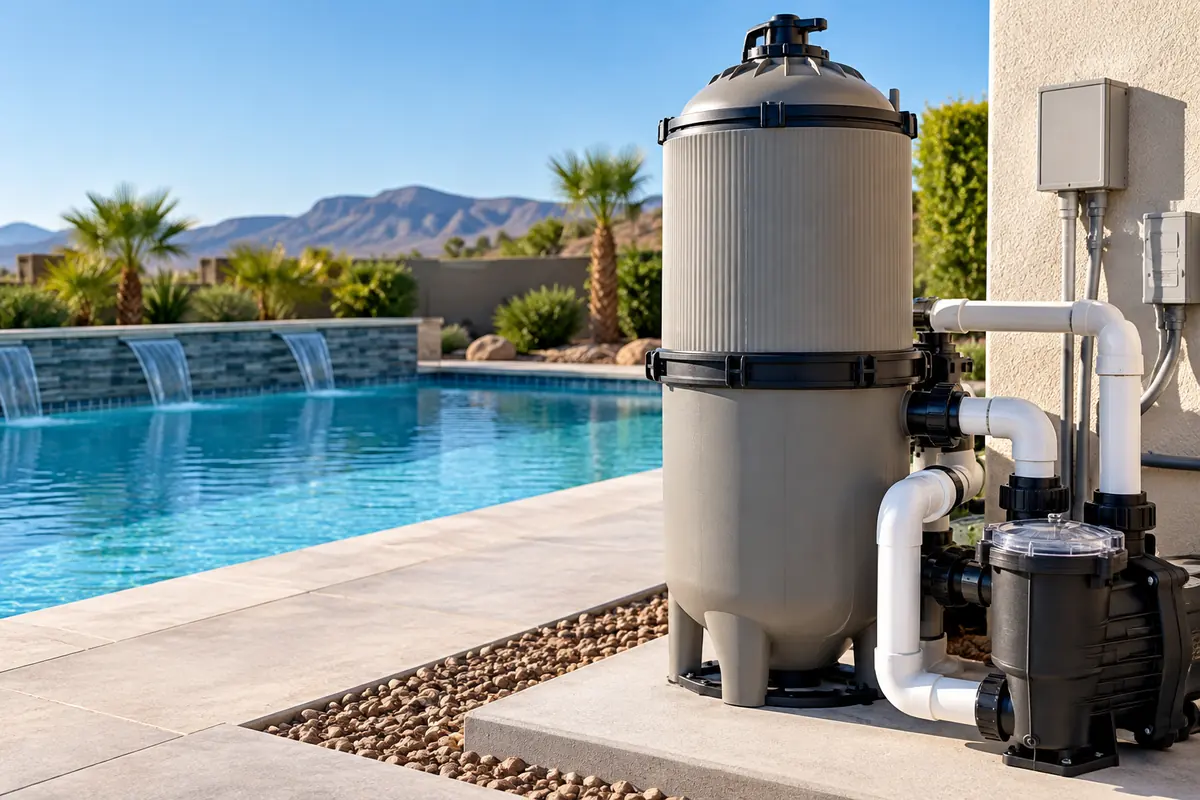
Pool filter cartridges do not last forever, but there is no exact replacement date that applies to every pool. Cartridge life depends on filter size, debris load, water chemistry, cleaning practices, operating conditions and the quality of the cartridge itself.
Instead of replacing cartridges solely because they reach a certain age, look at their physical condition and whether cleaning still restores normal filter performance.
Quick Answer: How Often Should You Replace Pool Filter Cartridges?
Pool filter cartridges often need replacement after approximately two to three years, but their actual service life depends on debris load, water chemistry, cleaning methods, filter size and operating conditions.
Age alone is not a reliable reason to replace a cartridge. The most useful indicators are physical damage, persistent flow restriction after proper cleaning and filtration problems that cannot be traced to other parts of the system.
If a cartridge is structurally sound and cleaning consistently restores normal performance, it may still have useful service life. If its pleats are torn, its end caps are damaged or it no longer performs properly after cleaning, replacement may be necessary.
Pool Filter Cartridge Replacement at a Glance
| Condition | What It May Mean | Suggested Action |
|---|---|---|
| Cartridge is two to three years old | It is within a commonly cited replacement timeframe. | Inspect its condition and evaluate performance. |
| Pleats have tears or holes | Water and debris may bypass the filtration media. | Replace the damaged cartridge. |
| End caps or support bands are damaged | The cartridge may not maintain its intended shape or seal. | Replace the damaged element. |
| Pressure rises gradually after extended use | The cartridge may be collecting debris normally. | Clean it according to manufacturer guidance. |
| Pressure remains unusually high after cleaning | Embedded debris, scale or another restriction may be present. | Inspect the cartridge and troubleshoot the system. |
| Flow remains poor after cleaning | The cartridge or another system component may be restricting circulation. | Investigate before replacing parts. |
| Dirt returns through the pool returns | Damaged media, seals or internal components may be allowing bypass. | Inspect the complete filter assembly. |
Typical Pool Filter Cartridge Life
Pentair states that pool filter cartridges may need replacement about every two or three years. This is a useful general reference, but actual service life can be shorter or longer depending on the pool and operating conditions.
A lightly loaded filter with generous filtration area may experience less frequent cleaning and debris accumulation than a smaller filter constantly handling heavy debris.
Instead of replacing cartridges on a fixed schedule, establish a maintenance history and monitor their condition over time.
For a broader explanation of cartridge, sand and DE filtration, see our Complete Guide to Pool Filters.
Signs a Pool Filter Cartridge May Need Replacement
1. Torn or Damaged Pleats
The pleated filtration media should remain structurally intact.
Tears, holes or damaged pleats can allow water and debris to bypass the intended filtration surface.
During cleaning, inspect the pleats carefully, including the folds near the end caps, where damage may be less obvious.
A cartridge with torn filtration media should generally be replaced rather than returned to service.
2. Broken Support Bands or End Caps
Cartridge support bands help maintain the shape and spacing of the pleated media.
End caps help the cartridge fit and seal correctly inside the filter.
Damaged bands, cracked end caps or distorted cartridge components can interfere with proper filtration.
Inspect these parts whenever you remove the cartridge for cleaning.
3. Pressure Rises Quickly After Cleaning
A cartridge that has been thoroughly cleaned but rapidly becomes restrictive again may contain embedded material that normal rinsing no longer removes.
However, rapid pressure increases do not automatically mean the cartridge is worn out.
Other possible causes include:
- An active algae problem.
- Unusually heavy dust or debris.
- Recent construction or landscaping near the pool.
- Changes in pump speed or circulation settings.
- Restrictions elsewhere in the filtration system.
Before replacing the cartridge, rule out conditions that could be loading an otherwise functional filter unusually quickly.
4. Cleaning No Longer Restores Normal Flow
One of the most useful indicators of cartridge condition is how the system behaves after a proper cleaning.
If cleaning previously restored normal pressure and circulation but now produces little improvement, the cartridge may contain embedded material or accumulated deposits.
Inspect the media and check for other circulation problems before concluding that replacement is necessary.
Our guide to how often you should clean a pool filter explains how pressure rise, debris load and system performance help determine when cleaning is necessary.
5. Dirt or Debris Returns to the Pool
If dirt appears at the pool returns while the filtration system is operating, inspect the cartridge and internal filter components.
Jandy identifies a hole in a filter cartridge as one possible cause of dirt returning to the pool.
Other potential causes include damaged seals, incorrect cartridge installation and problems with internal filter components.
Do not assume the cartridge is responsible without inspecting the complete assembly.
How to Tell Whether a Cartridge Needs Cleaning or Replacement
Cleaning and replacement address different problems.
Cleaning removes accumulated debris and, when appropriate, deposits that restrict water movement through otherwise usable filtration media.
Replacement is appropriate when the cartridge is damaged or can no longer perform its intended function.
| Observation | Clean or Replace? | Reason |
|---|---|---|
| Visible dirt between intact pleats | Clean | Accumulated debris may be removable. |
| Gradual pressure increase during normal operation | Clean when indicated | Debris accumulation is part of normal filtration. |
| Torn filtration media | Replace | Damaged media can allow debris to bypass filtration. |
| Cracked end cap | Replace | The cartridge may not seal or fit properly. |
| Heavy oil or mineral deposits | Evaluate approved cleaning methods | Some deposits require more than ordinary rinsing. |
| Normal performance returns after cleaning | Continue monitoring | The cartridge may still be serviceable. |
| Poor performance persists after proper cleaning | Inspect and troubleshoot | The cartridge or another system component may be responsible. |
How to Check Cartridge Condition Using Filter Pressure
Filter pressure is a useful maintenance indicator, but it must be interpreted in the context of your particular system.
Start by recording the filter's pressure after a proper cleaning, with the pump operating at a consistent speed and the system configured normally.
This establishes your clean-filter reference pressure.
Example: Tracking Pressure After Cleaning
Suppose your system operates at 12 psi immediately after a thorough cartridge cleaning.
Over the following weeks, the pressure gradually increases as the cartridge collects debris.
| Observation | Illustrative Pressure | Interpretation |
|---|---|---|
| Immediately after cleaning | 12 psi | Clean-filter reference. |
| After normal operation | 14 psi | Some additional resistance may be developing. |
| After further debris accumulation | 18 psi | Check the manufacturer's cleaning criteria. |
| After the next proper cleaning | 12 psi | Cleaning restored the original reference pressure. |
These numbers are hypothetical and are not universal pressure targets or cleaning thresholds.
Use your filter manufacturer's recommended cleaning criteria and compare readings taken under the same operating conditions.
What If Clean Pressure Keeps Increasing?
Suppose the filter originally returned to 12 psi after cleaning, but later cleanings only reduce pressure to 15 or 16 psi.
This change may indicate embedded debris, mineral deposits or a restriction elsewhere in the system.
Before replacing the cartridge, inspect the media and confirm that pump speed, valves and other operating conditions have not changed.
With a variable-speed pump, pressure readings taken at different speeds are not directly comparable.
What Shortens Pool Filter Cartridge Life?
Heavy Debris Loads
Leaves, dust, pollen, construction debris and other material increase the workload on filtration media.
More frequent debris accumulation can require more frequent cleaning.
For pools exposed to substantial dust or seasonal debris, keeping skimmer baskets and other debris-collection equipment clear can reduce unnecessary loading.
Algae Problems
An algae bloom can load cartridges rapidly with suspended material.
If pressure rises repeatedly after cleaning during an algae problem, correct the underlying sanitation issue rather than assuming the cartridge has reached the end of its service life.
Follow appropriate pool-treatment and filtration procedures for the condition.
Improper Cleaning
Aggressive cleaning methods can damage filtration media.
Use the cleaning procedures recommended by the cartridge and filter manufacturers.
Avoid excessive water pressure, abrasive cleaning tools and unapproved chemicals.
Do not use a pressure washer unless the manufacturer specifically authorizes that method.
Oils and Mineral Scale
Sunscreen, body oils and other contaminants can accumulate within the pleated media.
Mineral deposits may also restrict filtration.
Ordinary rinsing may not remove all embedded material.
When the manufacturer permits it, an approved cartridge-cleaning treatment may help remove certain deposits.
Always follow the manufacturer's instructions, including chemical compatibility, handling and rinsing requirements.
Undersized Filtration
A filter with relatively little filtration area may accumulate debris more quickly than a larger compatible filter serving the same pool.
That can lead to shorter intervals between cleanings and more frequent handling of the cartridges.
However, filter sizing must also account for the pump's flow rate and the equipment manufacturer's operating limits.
For more about matching filtration area and flow requirements to the pool, see How Big Should My Pool Filter Be?. You can also use our Pool Filter Sizing Calculator.
How to Clean and Inspect a Pool Filter Cartridge
Proper cleaning provides an opportunity to inspect the cartridge and identify problems before they affect filtration.
- Shut off the pump. Follow the manufacturer's complete shutdown procedure and prevent automatic equipment from restarting.
- Relieve filter pressure. Use the manufacturer's specified procedure and verify that pressure has been released before opening the filter.
- Open the filter according to its instructions. Never loosen a clamp, lid or other pressure-retaining component while the system is pressurized.
- Remove the cartridge carefully. Avoid damaging the pleats, end caps or support bands.
- Inspect the media. Look for tears, holes, collapsed pleats, cracked end caps and damaged support bands.
- Clean using an approved method. Rinse and perform any additional treatment according to the manufacturer's instructions.
- Inspect the filter assembly. Check accessible seals and internal components as directed by the manufacturer.
- Reassemble correctly. Follow the specified cartridge placement, sealing and closure procedures.
- Restart safely. Follow the manufacturer's air-release and startup instructions, remaining clear of the filter during pressurization.
- Record clean pressure. Note the reading at a consistent pump speed for future comparison.
If you are unfamiliar with the filter's pressure-release or reassembly procedure, have a qualified pool-service professional perform the work.
Can You Make Pool Filter Cartridges Last Longer?
Proper maintenance can help cartridges remain serviceable for as long as their condition allows.
- Maintain pool-water chemistry within the applicable equipment and pool-care requirements.
- Keep skimmer and pump baskets clear of accumulated debris.
- Address algae and unusual water conditions promptly.
- Clean cartridges according to manufacturer criteria and actual system performance.
- Use approved cleaning methods and chemicals.
- Inspect pleats, end caps and support bands during cleaning.
- Monitor clean-filter pressure under consistent operating conditions.
- Keep the filtration system properly matched to the pool and pump.
Cleaning more frequently than necessary does not automatically extend cartridge life. Each cleaning should follow the manufacturer's instructions and avoid unnecessary damage to the media.
Should You Replace All Cartridges at Once?
Some cartridge filters contain a single element, while others use multiple cartridges.
Multi-cartridge filters are designed around a complete set of correctly fitting elements.
If the cartridges have similar age and wear, replacing the set together can provide consistent filtration and simplify future maintenance tracking.
However, replacement decisions should also consider the manufacturer's instructions and the condition of the individual elements.
Always use cartridges that meet the specifications for the exact filter model.
How to Identify the Correct Replacement Cartridge
Replacement cartridges are not interchangeable simply because they have similar dimensions or pleated media.
Before ordering, identify:
- The filter manufacturer.
- The exact filter model.
- The required cartridge part number.
- The number of cartridges used by the filter.
- Any manufacturer-specified compatibility or replacement requirements.
Use the filter's documentation or manufacturer parts information to verify compatibility.
Incorrectly fitting cartridges may interfere with sealing, water flow or filtration.
If your cartridges are physically damaged or cleaning no longer restores normal performance, compare current cartridge filter options and replacement systems below.
Compare Cartridge Pool Filters on Amazon
Don't Replace a Cartridge Just Because Filter Pressure Is High
High filter pressure often means the filter needs cleaning rather than replacement.
Establish your normal clean-filter pressure and determine whether proper cleaning restores the expected reading and circulation performance.
If it does, the cartridge may still have useful service life.
If pressure remains unusually high or rises rapidly after cleaning, investigate possible causes before replacing parts.
| Symptom | Possible Cause | What to Check |
|---|---|---|
| Pressure gradually increases | Normal debris accumulation. | Manufacturer cleaning criteria. |
| Pressure increases rapidly | Algae, heavy debris or an unusually high filtration load. | Pool-water condition and debris sources. |
| Pressure stays high after cleaning | Embedded deposits or another system restriction. | Cartridge condition and system configuration. |
| Pressure reading changes after pump adjustment | Different pump operating speed. | Compare readings at the same speed. |
| Pressure is unusually low with poor flow | Possible suction-side restriction or pump-related problem. | Baskets, water supply and circulation equipment. |
For additional troubleshooting, see Why Is My Pool Filter Pressure High? Causes and Fixes.
When Replacing the Entire Filter May Make More Sense
Replacing cartridges addresses worn or damaged filtration elements. It does not correct an undersized, damaged or otherwise unsuitable filter assembly.
Consider evaluating the complete filtration system when:
- The filter housing or internal components are damaged.
- The filter is not appropriately sized for the pool and pump.
- Replacement cartridges are difficult to obtain for the exact model.
- Repeated maintenance problems are caused by the overall filter configuration.
- You are already upgrading the pump or making significant changes to the circulation system.
Replacing an entire filter involves additional cost and may require plumbing changes, so compare the condition of the existing equipment with the requirements of a replacement system.
See Best Pool Filters: How to Choose for the major factors to compare when selecting a replacement filtration system.
A Simple Cartridge Maintenance Log
Keeping a basic record makes it easier to distinguish normal debris accumulation from declining cartridge performance.
| What to Record | Why It Helps |
|---|---|
| Cartridge installation date | Tracks approximate service age. |
| Cleaning dates | Shows whether cleaning intervals are changing. |
| Clean-filter pressure | Establishes a reference for future comparisons. |
| Pump speed during readings | Makes pressure comparisons more meaningful. |
| Visible damage or deposits | Documents changes in cartridge condition. |
| Unusual pool conditions | Provides context for rapid debris accumulation. |
For example, if a cartridge previously went several weeks between cleanings but suddenly becomes restrictive every few days, your maintenance history can help identify when the change began.
Check for algae, debris, changes in circulation settings and cartridge condition before assuming age is the cause.
Frequently Asked Questions
How often should pool filter cartridges be replaced?
Approximately two to three years is a useful general reference, but actual replacement should depend on cartridge condition, cleaning effectiveness and filtration performance.
Can a pool filter cartridge last longer than three years?
Service life varies with debris load, maintenance, filter sizing and operating conditions. Evaluate physical condition and performance rather than relying on age alone.
How do I know whether my cartridge needs cleaning or replacement?
Inspect the media and determine whether proper cleaning restores normal pressure and circulation. Torn pleats, damaged end caps and persistent performance problems may indicate that replacement is necessary.
Will a dirty cartridge cause high filter pressure?
Accumulated debris can increase resistance through the filter and raise pressure. Use the manufacturer's cleaning criteria and compare readings taken under consistent operating conditions.
Why does filter pressure rise immediately after cleaning?
Possible causes include embedded deposits, heavy debris, algae or other system restrictions. Confirm that the cleaning was performed correctly and that pump speed and system configuration have not changed.
Can a damaged cartridge send dirt back into the pool?
Yes. Tears or holes in the filtration media may allow debris to bypass the cartridge. Damaged seals or internal filter components can produce similar symptoms.
Should I replace all cartridges in a multi-cartridge filter?
If the elements have similar age and wear, replacing them together can simplify maintenance and provide a consistently matched set. Follow the manufacturer's instructions for your exact filter.
Can I use a pressure washer to clean a pool filter cartridge?
Aggressive cleaning can damage pleated filtration media. Follow the cartridge manufacturer's approved cleaning procedure and avoid pressure washing unless specifically authorized.
Can algae shorten pool filter cartridge life?
Algae can rapidly load the filtration media and require additional cleaning. Correct the underlying sanitation problem and inspect the cartridge before deciding whether replacement is necessary.
Should I replace the entire filter instead of buying new cartridges?
That depends on the condition, size and suitability of the existing filter. If the housing is sound and the filter is properly matched to the system, compatible replacement cartridges may be sufficient. A damaged or undersized filter may warrant evaluation of the complete assembly.
Bottom Line
Two to three years is a useful general reference for pool filter cartridge replacement, but condition matters more than the calendar.
Inspect the media, monitor clean-filter pressure, watch system flow and pay attention to whether proper cleaning still restores performance. These indicators provide more useful information about cartridge condition than age alone.
If replacement is necessary, verify compatibility with your exact filter model before ordering new cartridges or a complete filtration system.
How We Research
Pool Equipment Lab evaluates pool equipment using manufacturer specifications, documentation, compatibility requirements, operating costs, warranty information, and owner feedback when relevant. We do not claim hands-on testing unless we actually performed it.